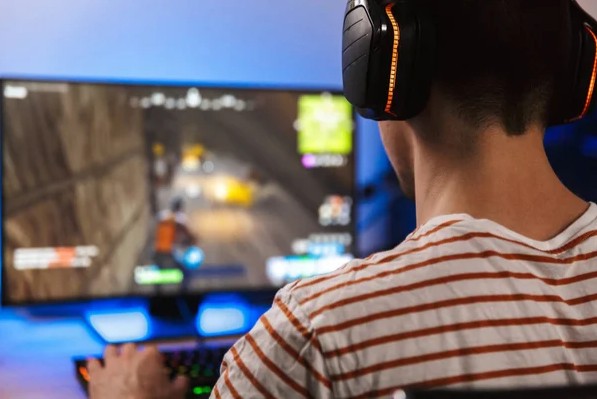
Have you ever paused inside a game just because a tiny sound, soft glow, or moving background made the whole place feel real?
That feeling often comes from small design choices. They may not shout for attention, but they shape how a game feels from the first few seconds.
A breeze moving through trees, a button that lights up, a cheerful sound after a task, or a character who reacts with a smile can make play feel warm and active.
Modern gaming feels alive because many little parts work together. Art, sound, movement, timing, color, layout, and feedback all help players feel connected to what is happening on screen.
Small Visual Details Add Life
Visual details are often the first things players notice. They help a space feel full, clear, and pleasant to spend time in.
A bandot88 game does not need to be packed with huge scenes to feel alive. Sometimes, tiny details do the job best. A flickering lantern, rippling water, moving clouds, or soft shadows can make a digital space feel like it has its own rhythm.
Background Movement Creates Atmosphere
Still spaces can look nice, but small movement makes them feel active. Leaves may sway. Lights may blink. Water may sparkle. Characters in the background may walk, stretch, or wave.
These details tell the player that the space continues to breathe around them. Even when the player stands still, the scene feels active.
Color Guides the Mood
Color has a big effect on how a game feels. Soft colors can make a place feel calm. Bright colors can make it feel playful. Warm tones can make a space feel cozy.
Players may not always think about color directly, but they feel it. A peaceful garden, a lively town, or a cheerful race track can each use color to set the right mood.
Sound Makes Every Action Feel Clear
Sound is one of the strongest parts of gaming, even when it is quiet. A small click, chime, footstep, splash, or soft melody can make an action feel more satisfying.
Good sound helps players understand what happened. It also adds emotion to the moment.
Tiny Sounds Give Instant Feedback
When a player picks up an item, opens a menu, completes a task, or selects an option, a sound can confirm the action right away.
This feedback feels natural. It is like hearing a door click shut or a pencil mark the page. The sound tells the brain, “Yes, that worked.”
Common feedback sounds include:
- A soft chime for progress
- A click for selection
- A pop for collecting
- A cheerful tone for completion
- A gentle tap for movement
These small sounds help the game feel responsive.
Music Sets the Emotional Pace
Music helps players understand the feeling of a place or activity. A calm tune can make a home area feel relaxing. A faster beat can make a race feel lively. A playful melody can make a social space feel friendly.
The music does not need to take over. When it fits the mood, it quietly supports the whole experience.
Character Reactions Make Play Feel Human
Characters add personality to modern bandot88 slot gaming. Their faces, movements, outfits, and little reactions help players connect with them.
A character who waves, nods, jumps, cheers, or looks around can feel more present. These small actions make the game feel less like a flat screen and more like an active place.
Idle Animations Add Charm
An idle animation is what a character does when the player is not pressing buttons. The character might stretch, look around, tap a foot, adjust clothing, or smile.
These little movements add charm. They remind the player that the character has personality, even during quiet moments.
Reactions Make Rewards Feel Better
When a character celebrates after a task, the player feels the moment more. A happy jump, bright expression, or quick cheer can turn a simple reward into a tiny celebration.
This helps progress feel personal. The game is not only showing a result; it is sharing the feeling with the player.
Clear Layout Helps Players Feel Comfortable
A lively game also needs to feel easy to read. Clear layout helps players know where to go, what to press, and what matters next.
Good layout works quietly. Players may not notice it when it works well, but they feel more relaxed because of it.
Landmarks Help Players Find Their Way
A tall tower, glowing door, bright sign, wide path, or central fountain can guide players without long instructions.
These landmarks act like meeting points in real life. People remember them and use them to move around more naturally.
Menus Feel Better When They Are Simple
Menus are part of the game experience, too. Clear labels, readable icons, and tidy spacing help players make choices with ease.
A good menu feels like a clean desk. Everything has a place, and the player can find what they need quickly.
Feedback Makes the Game Feel Responsive
Modern games often respond to player actions in many small ways. A button may glow. A reward may sparkle. A taskbar may fill. A character may react.
These responses make players feel connected to the game. Every action has a clear answer.
Visual Feedback Shows Progress
Progress bars, badges, stars, checkmarks, and animations help players see what they have done.
These markers are simple, but they feel rewarding. They give the player a clear sense of movement.
Touch and Timing Add Flow
Timing matters too. When actions happen at the right speed, play feels smooth and pleasant. A jump, click, menu open, or reward screen can all feel better when the timing feels natural. This flow helps players stay focused and comfortable.
Social Details Make Spaces Feel Warm
Many modern games include shared spaces. Small social details help those spaces feel welcoming.
A wave button, group pose, shared celebration, or friendly reaction can make players feel like they are spending time with real people.
Gestures Add Friendly Expression
Simple gestures can say a lot. A wave can mean hello. A clap can mean well done. A dance can turn a quiet moment into a fun one. These actions help players communicate in a relaxed way.
Shared Spaces Create Familiar Moments
A cozy room, central plaza, team area, or creative space gives players a place to gather. Over time, these spots can feel familiar. That familiarity makes players want to return.
Final Thoughts
Modern gaming feels alive because of many quiet design details working together. Movement, color, sound, character reactions, clear layout, feedback, and social signals all shape the experience.
These details may seem small, but they make every moment feel more connected. They help players feel at home, understand what is happening, and enjoy the simple pleasure of play.